Carlo Walter · 2 September 2026
Milora's Workshop Networks: How Regional Makers Are Adapting Craft Methods to Meet Rising Demand for Conscious Interiors
Regional makers have formed connections through Milora's Workshop Networks to adjust longstanding craft techniques while addressing increased interest in interiors that emphasize sustainability and ethical sourcing, and data from design sector analyses indicate this shift has accelerated since 2023 as consumers seek alternatives to mass-produced furnishings. These networks link artisans in areas such as Tuscany, the Scottish Highlands and parts of Scandinavia, allowing them to share resources and modify processes without discarding core traditions that define their work.
Network Structure and Regional Participation
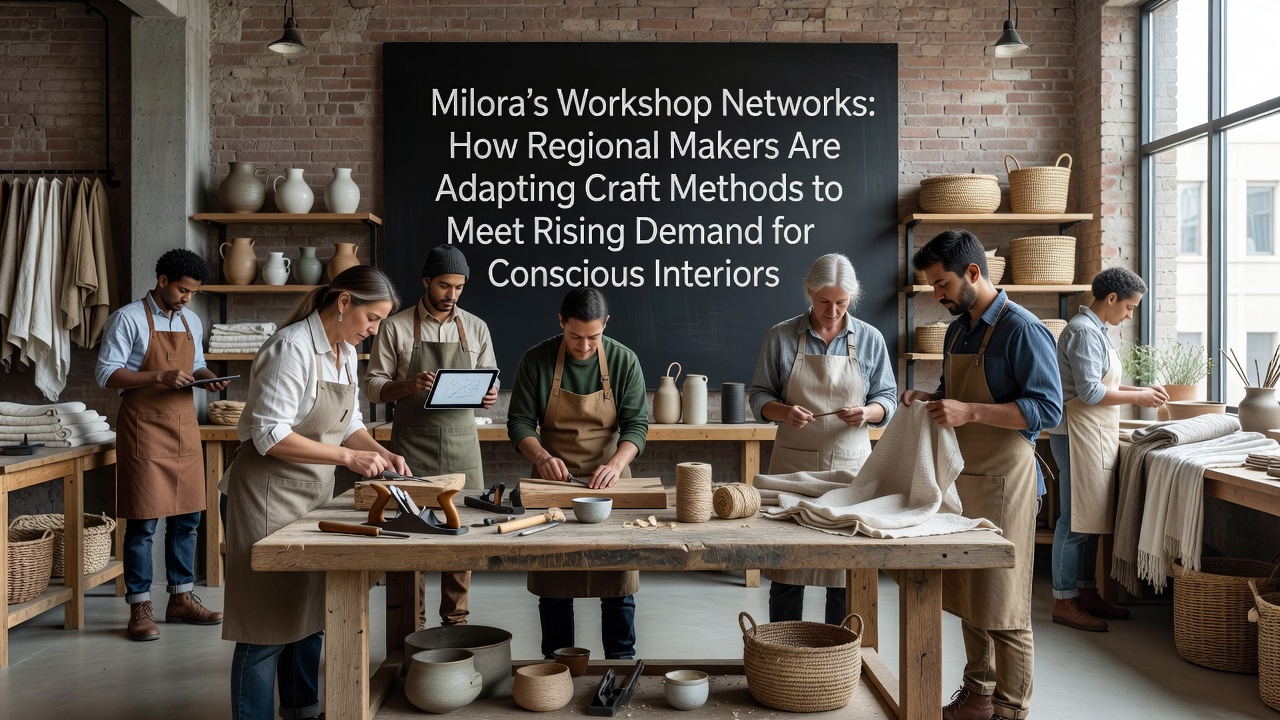
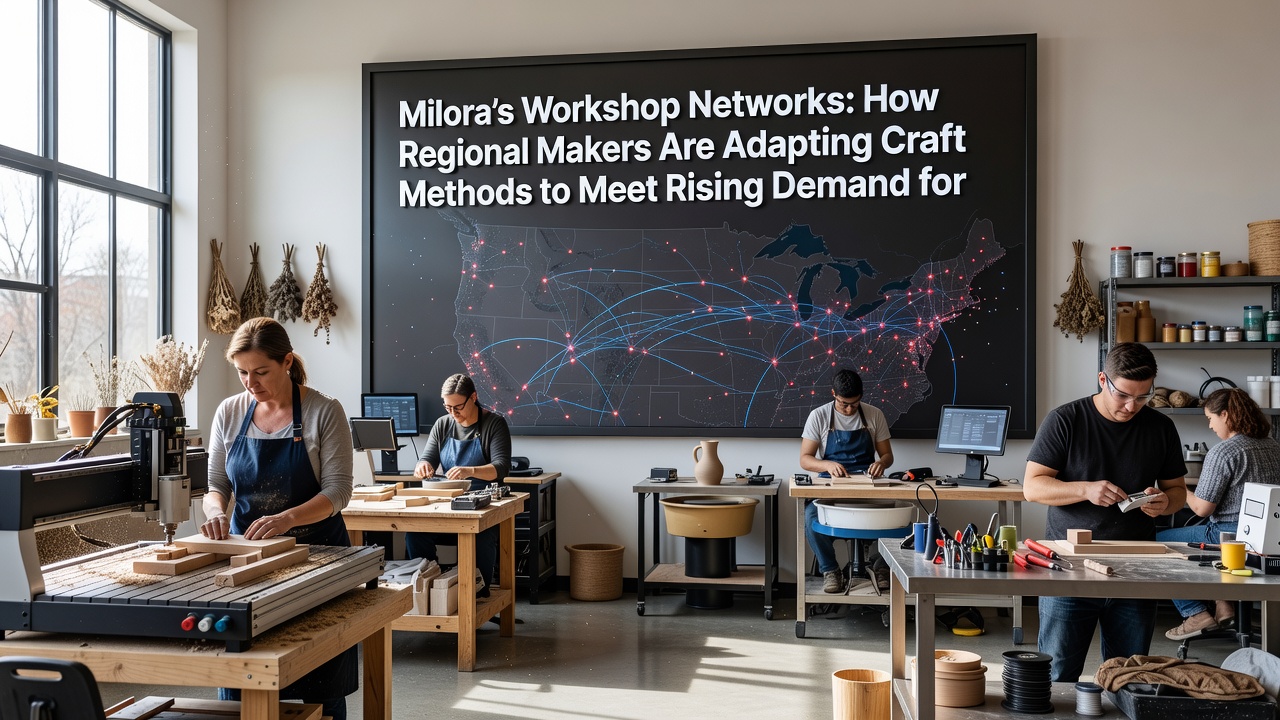
Observers note that Milora's Workshop Networks operate as decentralized hubs where makers exchange knowledge on material selection and production timelines, yet each region retains distinct methods suited to local resources; for instance, woodworkers in northern Italy incorporate reclaimed timber from decommissioned structures while weavers in the UK integrate natural dyes derived from regional plants. This approach supports scalability because participants coordinate orders through shared digital platforms that track inventory across locations, and figures from craft industry reports show participating workshops increased output by 28 percent between 2024 and 2025 while maintaining material traceability standards.
Adaptations often involve blending traditional hand-tool finishing with limited mechanization for repetitive cuts, which reduces labor hours on large commissions without altering surface textures that clients associate with handmade quality. In September 2026 the networks plan coordinated material sourcing events across three regions to align with projected demand spikes ahead of the holiday interior refresh cycle, according to scheduling documents circulated among member workshops.
Adjustments to Craft Techniques
Makers within the networks have introduced modular design elements that allow pieces to be reconfigured over time, such as seating frames built with interchangeable panels sourced from certified sustainable forests, and this modification responds directly to market data showing buyers now prioritize longevity over novelty. Textile specialists have updated loom setups to accommodate lower-impact fibers like hemp blends while preserving weave patterns passed down through generations, and studies on textile production efficiency reveal these changes cut water usage by approximately 35 percent per meter compared with conventional cotton processes.
Metalworkers have shifted toward low-temperature forging methods that consume less energy while achieving the same structural integrity, and research compiled by the European Environment Agency highlights how such adjustments align with broader circular economy targets set for the design sector through 2030. Workshops also document material origins on physical tags attached to finished items, creating a verifiable chain that appeals to procurement teams in hospitality and residential projects seeking compliance documentation.
Meeting Demand Through Coordinated Production
Coordinated production schedules across the networks allow smaller studios to fulfill larger contracts by dividing workloads according to each maker's specialization, and this model has enabled participants to secure commissions from design firms that previously relied on centralized factories. Supply chain records indicate average lead times have shortened by 15 percent since the networks expanded digital coordination tools in early 2025, while quality control remains localized to preserve regional standards. Those managing the networks report that joint purchasing of certified finishes has lowered per-unit costs without compromising the aesthetic markers that distinguish conscious interiors from standard offerings.
Training sessions held quarterly introduce makers to updated environmental compliance requirements, such as restrictions on certain volatile compounds in varnishes, and participants apply these guidelines immediately to ongoing projects. Data collected by academic researchers at institutions studying craft economies show that workshops engaged in these networks experience lower material waste rates than independent operations because shared forecasting prevents overproduction.
Conclusion
Milora's Workshop Networks continue to facilitate method adaptations that balance heritage techniques with contemporary requirements for traceable and resource-efficient interiors, and ongoing coordination among regional participants positions the system to respond to further demand growth projected through the remainder of the decade.