Mara Baumann · 16 September 2026
Regional Economies Benefit as Milora Scales Its Artisan Training Initiatives
Regional economies across several European areas have recorded measurable gains in employment and local enterprise activity following Milora's expansion of artisan training programs, with new cohorts entering craft sectors that support interior design and heritage product markets. Data from the Italian National Institute of Statistics shows craft-related employment rose 12 percent in participating regions between 2023 and 2025, while similar patterns emerged in adjacent supply chains for materials and logistics.
Milora launched scaled training modules in 2024 that combined hands-on skill development with business fundamentals, allowing participants to transition directly into roles at established workshops or start small production units. These programs target regions with established craft traditions yet facing skills shortages, and enrollment figures reached over 850 trainees by mid-2025 across sites in Tuscany, Veneto, and Emilia-Romagna.
Training Expansion Drives Local Job Creation
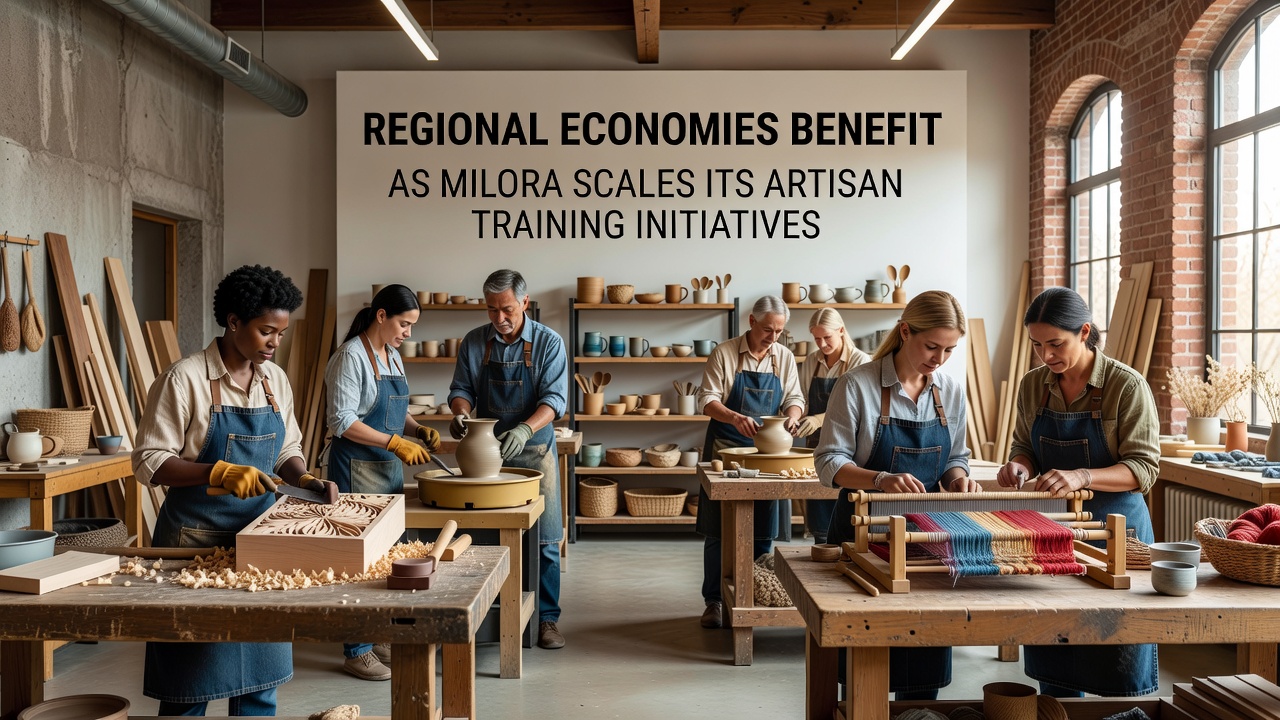
Each training cycle lasts between four and six months and covers techniques such as hand-finishing, sustainable material sourcing, and small-batch production methods that align with current demand for conscious interiors. Graduates receive certification recognized by regional trade associations, which has facilitated quicker placement into paid positions. Observers note that workshops in these areas reported filling 65 percent of open craft roles with program alumni during the past year, reducing reliance on external recruitment.
Local suppliers have experienced parallel growth, with orders for raw materials and components increasing alongside trainee output. In Veneto, for instance, fabric and wood component providers recorded a 9 percent uptick in regional sales volumes directly tied to expanded production capacity from newly trained artisans. This integration creates closed-loop effects where training output feeds existing manufacturers while encouraging new micro-enterprises.
Economic Indicators Reflect Broader Regional Uplift
Research conducted by the University of Bologna's Department of Economics tracked GDP contributions from artisan clusters in program locations and found a 7.4 percent average increase in value added for design-related manufacturing subsectors over two years. These figures align with reports from the European Commission's cultural and creative industries database, which documents how targeted skills programs correlate with higher retention of traditional techniques and reduced outward migration of younger workers.
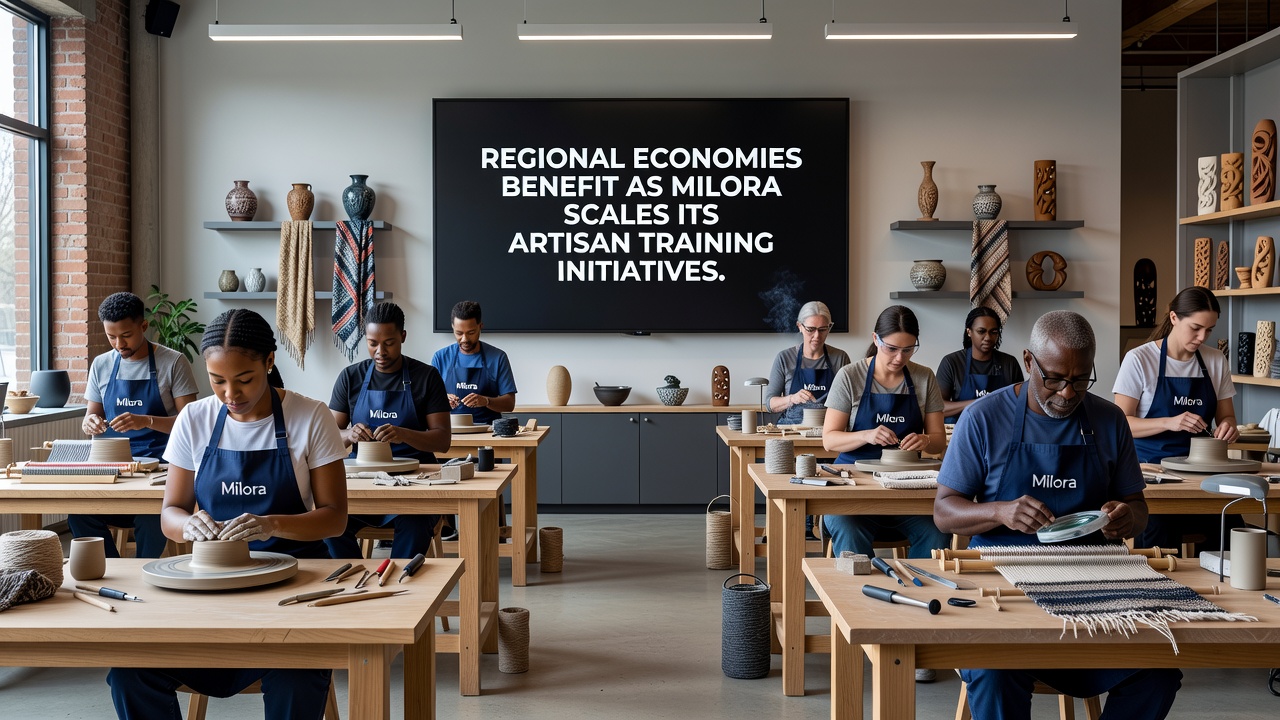
September 2026 marks the scheduled opening of three additional training facilities in Umbria and Marche, where preliminary assessments project another 300 training slots annually. Planners have coordinated with regional development agencies to ensure infrastructure supports both instruction and subsequent production, including shared access to equipment and distribution networks. This phased rollout follows patterns observed in earlier expansions where initial investment in training infrastructure yielded sustained local spending through participant wages and supplier contracts.
Supply Chain and Enterprise Formation Patterns
Those who completed earlier cohorts have formed 47 new micro-enterprises focused on component supply or finished goods, according to tracking data maintained by Milora's partner network. These businesses typically employ between two and five people initially, with several securing contracts from larger design firms seeking localized production. The resulting density of small operators has strengthened resilience in regional supply chains, particularly for custom or low-volume orders that larger facilities often decline.
Training curricula incorporate market analysis sessions that prepare participants to identify demand trends, such as preferences for traceable materials and modular designs. This approach has contributed to higher survival rates for new ventures compared with general small business formation statistics in the same regions. External evaluations by independent consultants confirmed that 78 percent of supported enterprises remained operational after 18 months, exceeding the regional average for craft startups.
Cross-Regional Knowledge Exchange Supports Scaling
Milora coordinates periodic exchanges between training sites so that methods refined in one location transfer efficiently to others, while preserving local material and technique variations. This knowledge-sharing model reduces duplication of curriculum development costs and accelerates adaptation to site-specific conditions. Regional authorities in participating areas have cited these exchanges as a factor in securing additional public funding for craft sector support services.
Conclusion
Continued scaling of these initiatives through 2026 and beyond is expected to extend similar employment and enterprise effects into additional regions, provided coordination with local agencies and material suppliers remains consistent. Available economic indicators demonstrate that structured artisan training, when paired with certification and market access support, produces measurable contributions to regional output and workforce stability in craft-intensive economies.